


Best Places to Visit and Avoid as Wildlife Emerges This Warming Season
As temperatures rise and days grow longer, wildlife begins to stir from winter’s quiet hold. Fireflies light up the dusk, owls resume their nighttime calls, woodpeckers drum on tree trunks, and alligators become more active in their watery homes. This seasonal shift offers a unique chance to observe nature’s awakening, but it also calls for awareness about where to explore safely and where to tread carefully. Some areas become hotspots for wildlife activity, while others pose risks due to animal behavior or environmental conditions.
This guide highlights the best places to visit to enjoy emerging wildlife and the spots to avoid during this warming season. Whether you are a nature lover, photographer, or just looking for a peaceful outdoor experience, knowing where to go and what to watch out for will make your adventures more rewarding and safe.
Where to Visit for the Best Wildlife Experiences
1. Wetlands and Marshes
Wetlands are among the richest ecosystems during the warming season. As water levels rise, they attract a variety of animals.
Firefly Viewing: Certain wetlands, like the Great Smoky Mountains National Park, are famous for their synchronous fireflies. These insects light up in unison for a few weeks each year, creating a magical spectacle.
Bird Watching: Marshes attract woodpeckers, herons, and migratory birds. Early morning visits increase your chances of spotting these species.
Alligator Habitats: In southern states such as Florida and Louisiana, wetlands are home to alligators. Observing from a safe distance is crucial, especially as they become more active.
2. Forest Edges and Woodlands
Woodlands come alive with bird calls and animal movements as the weather warms.
Woodpecker Activity: Listen for the rhythmic tapping of woodpeckers on tree trunks. Species like the pileated woodpecker are easier to spot during this time.
Owl Sightings: Owls are mostly nocturnal but can sometimes be seen at dusk or dawn. Forest edges provide good vantage points.
Spring Blooms and Insects: The increase in insects like fireflies also attracts insectivorous birds and small mammals.
3. Coastal Areas and Estuaries
Coastal zones offer a mix of marine and terrestrial wildlife.
Migratory Birds: Estuaries serve as stopover points for migratory birds returning north.
Marine Life: Warmer waters bring increased activity among marine animals, including dolphins and sea turtles.
Tide Pools: Exploring tide pools reveals small creatures like crabs and starfish, which become more visible in warmer weather.
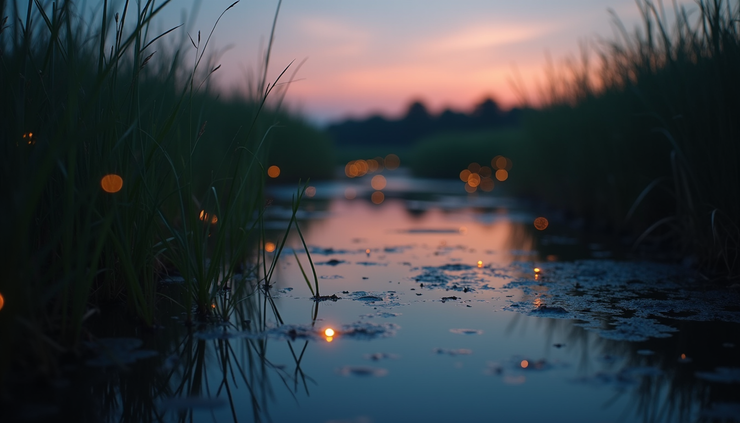
Fireflies lighting up a wetland at dusk, signaling the start of the warm season.
Places to Avoid During Wildlife Emergence
1. Alligator-Heavy Areas Without Proper Barriers
Alligators become more active as temperatures rise, especially in southern wetlands and swamps.
Avoid areas without clear signage or barriers.
Do not approach or feed alligators; they can be unpredictable.
Stay on designated paths and boardwalks.
2. Dense Forests During Peak Insect Activity
While forests are great for wildlife watching, some spots can be overwhelming due to insects.
Mosquitoes and ticks increase in number and can carry diseases.
Avoid heavily infested areas without proper insect repellent and protective clothing.
Be cautious near standing water where mosquitoes breed.
3. Nesting Sites of Sensitive Species
Certain wildlife species are sensitive during their breeding season.
Avoid disturbing owl nesting sites or bird colonies.
Keep a respectful distance from areas where animals are raising young.
Use binoculars or zoom lenses for observation instead of getting too close.
Tips for Safe and Responsible Wildlife Viewing
Keep a Safe Distance: Use binoculars or zoom lenses to observe animals without disturbing them.
Stay on Trails: Protect habitats and reduce your risk of encounters with dangerous wildlife.
Use Insect Repellent: Protect yourself from mosquitoes and ticks, especially in wetlands and forests.
Respect Wildlife Behavior: Avoid loud noises and sudden movements.
Check Local Guidelines: Some parks have seasonal restrictions to protect wildlife during sensitive periods.
Best Times of Day to Experience Wildlife
Dawn and Dusk: Many animals, including owls and fireflies, are most active during these times.
Nighttime: Owls and some insects emerge after dark; consider guided night walks where available.
Midday: Warmer temperatures may reduce animal activity, but coastal areas and wetlands can still offer sightings.
Planning Your Visit
Research local parks and reserves known for seasonal wildlife activity.
Join guided tours led by naturalists for a richer experience.
Bring appropriate gear: comfortable shoes, insect repellent, water, and a camera.
Check weather forecasts and park alerts before heading out.


Comments